Saturday, 24 February 2018

How can we add our bank account to WhatsApp and get started with payments

  1. Go to Settings -> Payments inside WhatsApp.
  2. In the Bank Accounts sub-head, select the Add New Account option.
  3. Tap Accept and Continue if you agree with the terms.
  4. Tap the Verify via SMS and follow the prompts to send an SMS to start the linking process.
  5. On the next screen, select the bank whose account you want to add.
  6. If you have an account (or multiple accounts) linked with the number that you just sent the SMS from, you will be presented with your account (or accounts) from that bank.
  7. If everything goes smoothly, you will see the UPI Setup Complete screen.
You can repeat these steps to add multiple bank accounts to WhatsApp. If you have multiple accounts added, you can designate one of them as the primary account (by default the account you added first).

How to send money via WhatsApp Payments

You must remember that the WhatsApp payment feature works only if the recipient has setup their bank account within WhatsApp – send this guide to your friends and family to help them get started! You can also send money to individual group members in a group chat, provided they have enabled the Payment option. Moreover, you cannot pay money to verified business accounts (such as BookMyShow or MakeMyTrip) because the service is only peer-to-peer (i.e. person to person).
  1. Open the chat of the WhatsApp contact to whom you want to send money.
  2. On Android, tap the Attach button. If you are on iPhone, select the Plus button.
  3. To send money, just tap on Payment, and enter the amount you want to send. You can also add a note to the message if you want.
  4. To authorise the payment, just enter the UPI PIN of the bank account from which you are trying to send money.
  5. Once the money is sent, the amount (and the text note, if any) will show as a message as part of the conversation.
As you can see above, the process is quite simple and takes only a few taps to complete. If you want to switch between accounts, you just need to tap on the bank account while sending money and you will see the list of linked accounts to switch between.
#WhatsApp will maintain a log of all your transactions – the money you sent and the money you received – using the #Payments option under Settings. To check the log, just go to #Settings, tap on Payments and select the View History option. #vasudevparasara
This is WhatsApp’s first attempt on the digital payments front, which has been dominated by Paytm in India. The Facebook-owned app has not officially announced this feature yet, and kept it in beta mode so far, meaning only a small segment of its more than 200 million users can access it presently. Google’s Tez, Paytm’s Inbox, and the numerous UPI services managed by banks themselves have made it pretty easy to transfer money to one another.

Friday, 20 January 2017

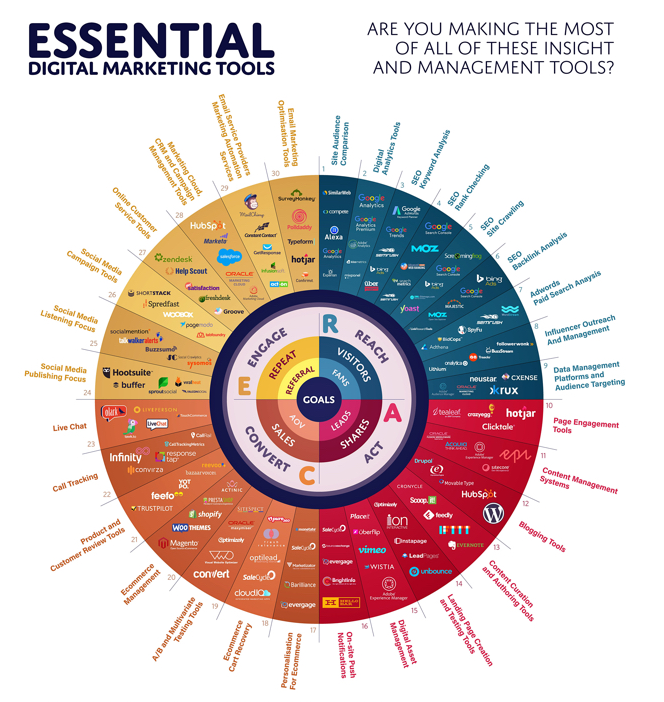
2017 Essential Digital Marketing Tools


What Are the Essential Digital Marketing Tools to Use in 2017?


The acknowledgment and execution of procedures, overseeing everyday, estimation comes about and the requirement for coordination between various individuals makes work in a computerized showcasing office is an exceptionally complex assignment. Luckily, available there are a wide range of advanced showcasing apparatuses that can address our issues and make our lives much simpler.

Essential Digital Marketing Tools ! digitalcot

Monday, 19 December 2016

Twitter tips for business

To maximize the perks of Twitter marketing can bring, here’s what every  business owners have to do:

1. Sign up for Twitter
2. Follow important people related to your business
3. Setup a landing page redirecting to your website
4. Promote or tweet quality contents only
5. Create a marketing strategy


twitter tips-digitalcot


There are many online activities that you can do with Twitter, such as:

posting regular promos and special offers for your business

answering inquiries to customer questions

posting regular website updates

notify followers about your latest business activities

Sunday, 18 December 2016

19 Essential Facebook Fan Page Tips

19 Essential Facebook Fan Page Tips


1) Don't create a dummy account for your business page
2) Add a recognizable profile picture.
3) Choose an engaging cover photo.
4) Optimize the descriptions of your profile picture and cover photo by adding links.
5) Bonus: Integrate your profile picture with your cover photo.
6) Add a call-to-action (CTA) button to your cover photo.
7) Customize your Facebook Page with apps -- then organize your tabs
8) Fill out your 'About' section with basic information, and add company milestones. 


facebook fan page

9) Post photos and videos to your Timeline. 
10) Post other content types as well.
11) Promote lead-gen and non-lead-gen content. 
12) Determine the ideal timing and frequency for your posts.
13) Leverage Facebook's publishing and targeting tools.
14) Pin important posts to the top of your page. 
15) Decide whether you want Facebook fans to message you privately. 
16) Monitor and respond to comments on your page.
17) Promote your page to generate more followers.
18) Measure the success of your Facebook efforts.
19) Try some Facebook advertising to amplify what works. 

Thursday, 15 December 2016

How to Measure Return on Investment


It‟s difficult to say how each company should quantitatively measure their social media efforts without knowing more about the company, but in general, anytime a company can convert metrics and analytics into dollars is usually the best approach. This is easier to do with sales and customer services usages, while more difficult to do with public relations, marketing, and research and development usages. Here are some metrics to keep in mind when trying to calculate the ROI of various services:


digitalcot-smm


Email

Landing page conversion percentage

# of opens for each email

# of clicks of links in each email

# of email subscribers who purchase something


Blogs

Total # of posts or average page views per post

Traffic overall or per post via a service like Google Analytics

Subscriber counts via an RSS service like Feedburner

Comment counts per post (measures engagement)

Demographics information via a service like Quantcast


Facebook

# of Fans of members in your group Percentage of items shared on Facebook Percentage of traffic driven to website Facebook fan page analytics

Twitter

# of followers

# of retweets of all links

# of people who respond (@) to questions, polls, etc. Percentage of traffic driven to website

Became a trending topic or not


StumbleUpon

# of reviews for submitted item Traffic driven to site

Made it to the front page or not

# of people who subscribed or signed up after landing on the page


Digg

# of Diggs

# of comments on the Digg site Traffic driven to site

Made it to the front page or not

# of people who subscribed or signed up after landing on the page


Case study to calculate ROI: Naked Pizza

Naked Pizza is a New Orleans-based healthy pizza join that specializes in its low-calorie slices that weigh a fraction of a normal pizza slice. The company built a 4,300 person following on Twitter in 2.5 months. Though the company is local, Naked Pizza is still able to use Twitter to advertise within a 3 mile radius.

Using analytics tools to find entrance rates, Naked Pizza has found that, on average, 20% of sales come from users who enter the site via Twitter.Furthermore, during one particular advertising blitz on Twitter, the company found that 69% of their sales for that day first came to the site via Twitter‟s website. The normal 20% of sales per day are sustained as long as CEO Jeff Leach tweets – which he does at least once and up to 15 times every single day.

Because Naked Pizza was able to change their analytics metrics into dollars, the company was able to make an important business decision: to change their company sign, which originally had an order phone number on it, to their Twitter handle. By the way, Naked Pizza gets an average of 35,000 people who drive by every day, and is working to become a national chain.


How to Monitor Your Company’s Reputation

There are a few tools every company should use to monitor what people are saying.

Google Alerts – This is a Google service that sends you an alert based on the keywords you set up.

OneRiot or Twitter search– OneRiot is a real-time search engine that captures keywords on Twitter and social bookmarking sites. Search OneRiot for keywords about your company and respond to complaints or concerns about your product or service, or if your company is focused specifically on Twitter, Twitter has its own real-time search engine for just tweets.

Using these tools with the appropriate keywords will catch 99-100% of everything people are saying about your company, so you can respond appropriately and protect the brand.


digitalcot-smm


Dealing withBad Publicity

There are always situations where an experiment goes awry or someone just doesn‟t like your company, product, or service and wants to complain about it in a public forum. There are a few ways your company can deal with bad publicity on social media: calmly dispel it if the information is false, put a positive spin on it if the information is true, or ignore it if the information is purely opinion. Sometimes drawing attention to a dissenter is worse than allowing them to have and speak their opinions.

Here are some tips for responding to bad publicity:

Respond quickly to help control the message Response should be short and to the point

Response should seem impromptu, but not unprofessional Response must be warm, genuine, and authentic
Response must be in the right medium – don‟t use social media to respond to shareholders or mainstream media

It helps to have a relationship with your customer prior to the incident

Use the right person in your company to respond to the incident – your company‟s CEO is not always the best or most appropriate choice

Here are some tips specifically for the video medium:

Use Vimeo instead of YouTube for branding purposes Memorize what you want to say and look directly at the camera

Don‟t let the ubiquity of the medium allow the video to look unprofessional – use good lighting, appropriate attire, and production makeup

Don‟t overproduce – professional videos look inauthentic

The shorter the better – viewers form impressions in the first 12 seconds

Don‟t become fodder for a junior comedian – people who know how to use video editing tools can remix the message to make fun of the entire video


Case Study on Reputation Management: Domino’s Pizza

In March 2009, two Domino‟s Pizza employees released a YouTube video of themselves coughing and sneezing on a customer‟s food. Within one day the video had over 1 million hits on YouTube.

In Chicago, Domino‟s local operating partner, going by Twitter handle @dpzramon, tweeted reassurances about the cleanliness and employee training standards of his Chicago stores within hours of the video gaining publicity. He also sent individual messages to all of his Chicago friends on Twitter with the same information, and asked them to retweet the information to all of their followers.

A day later, Domino‟s CEO released a three minute response video via YouTube. He used strong language, calling what his employees did a felony, and saying he was sickened by their actions. He also was not looking at the camera directly, which made viewers question whether he was reading cue cards.

As you might be guessing, one of these approaches worked extremely well, and one of them didn‟t. Chicagoans who had received messages from @dpzramon came away with the feeling that the situation was handled appropriately and that their Domino‟s

Pizza stores were well taken care of. In fact, Chicagoans wanted to buy pizza to support their friend @dpzramon.

The response to the Domino‟s CEO video was much different. People felt the video was too long, used too strong of language, did not seem genuine, and that the video seemed unprofessional. Viewers also criticized Domino‟s for not responding to the incident for


several days, and for using the wrong media to put out a message that was more aimed

at shareholders and the media than at Domino‟s Pizza customers.


Why do customers want service support via social media?

Customer Services

This section talks specifically about using to handle customer service issues. In this section, you‟ll find answers to questions like:

digitalcot-smm

Why do customers want service support via social media?

Should my company have a separate account for customer service issues? How can my company monitor and manage reputation with social media? How does my companyhandle bad publicity on social media?

Building relationships with current customers is one of the most important things any company can do, but it‟s also one of the most neglected. Social media offers a solution to providing faster customer service to customers so companies can maintain their relationships and ensure repeat purchases.

Technical and Service Support

Most customers do not like calling a number when they have a problem with your products. In fact, customers expect that they will be put on hold, they will be ushered through a few customer service reps who will tell them their problem can‟t be solved to their liking, and then they will finally have to get angry and force the customer service reps to speak to someone who allows them to put in a special ticket that will take 7-10 days to be approved.

What a disaster for most companies.For a company that uses social media though, this could be a great opportunity to show your customers that customer service doesn‟t have to be this painful.

The truth is that most customers aren‟t angry about their original problem as long as it gets fixed quickly. In the end, customers are dissatisfied at the annoyance, wasted time, and extra hassle it takes to get their problem through customer services. Companies that allow customers to contact them via social media will be able to maintain relationships with their customers and have a high chance of that customer purchasing again.

One of the questions companies have about using social media for customer service is: Should we have a separate account for customer service on Twitter? This is up to the company and will probably be influenced by the company‟s size and the volume of support requests.

The downsides are that people do not know how many accounts you have and will likely send support requests to whichever account they find first. Also, your company will be splitting its following between two or more accounts, which makes it difficult to grow each of the accounts to its full potential.

The benefit of using two accounts is you don‟t have to bore your followers with support answers. Some companies get around this by answering only the more unusual support requests publicly from their main account, and answering the general support requests via a direct message or via email.

Reputation Management

Customer service is just part of the bigger issue of reputation management. Two components of reputation management are monitoring your company‟s reputation so

you can proactively respond to situations, and also so you can deal with any bad publicity your company or products may receive.

Turning Leads

Turning prospects to leads

Now that your company is able to drive traffic, how do you turn that traffic into a lead list? Two ways that work well are to create a membership portion of your company‟s site, or to build an email list.

Membership Section – Membership sections can be useful for creating a community around your company‟s products or services. The difficulty is that you have to give people a compelling reason to sign up, so this method may not be for everyone.

digitalcot-smm


However, if you have a membership site already, Facebook Connect is a great tool for if your members match up with Facebook‟s demographics. In general, you‟ll lose a percentage of your audience any time people have to register to use your site; but with Facebook Connect, people can sign up for your site and import their Facebook information using their Facebook account. Many people, especially teens, remain logged into their Facebook accounts at all times. Facebook Connect also allows users to post their activity back to their Facebook accounts, creating a viral effect.

Google has a similar service that allows users to log in with their Gmail accounts. This does not quite have the same viral capabilities as Facebook with the sharing capabilities, but it does allow you to build membership profiles based on the user‟s

Google information.


There is no rule that you have to use one or the other of these two services. You could use both Facebook and Google connect to offer members several options for logging in. The most important thing is that when you use one of these services, make sure your own website collects membership information so your company can develop its own lead list that‟s not dependent on Google or Facebook.

Email list – The second option for your company is to start building an email or newsletter list. Direct email marketing is still one of the most effective ways to get a response online. Most companies offer something for free – for example, a free whitepaper, a free Ebook, a free teleseminars, or free content in a newsletter – in exchange for contact information, such as name and email address.

With an email list, you can segment your users and track opens and clicks to suit your business needs. A newsletter also allows your company to plug its products or services on a regular basis, as long as you offer valuable information in addition to sales pitches.

Companies that use memberships and email lists to convert prospects to leads end up with more qualified leads to pass on to their sales team.

Turning leads into customers

At this point, your company has its lead list. Now, you can integrate this lead list with your current process and start reaping the benefits of using social media as part of your company‟s lead generation strategy.

Case Study on Finding B2B Leads: Brazen Careerist

Brazen Careerist is an online talent agency dedicated to providing tools to the HR departments of companies interested in recruiting Generation Y. The company put together a teleseminar and invited thousands of HR professionals to attend for free. Brazen Careerist found HR professionals by utilizing professional groups on LinkedIn and Facebook. Because the teleseminar was valuable to the incumbents, the offering gained even more traction with word-of-mouth and sharing via social media outlets.

In order to gain access to the seminar, each HR professional had to provide an email address and company contact information. Over 400 people signed up for the hour-long teleseminar. At the end of the seminar, Brazen Careerist asked professionals to submit any questions that hadn‟t been answered in the seminar.


Now, the company had a lead list of companies that were struggling with recruiting Generation Y, the name of someone within the organization and all the contact information necessary, plus a list of problems that HR professionals were trying to solve, regarding recruiting Generation Y. They gave this information to their sales department, who got to work on the phones. They also put out another informational packet to answer the most common questions HR professionals had, which built credibility and trust with the potential clients.


Sales


This section talks specifically about using social media to build a sales pipeline that can be integrated into your company‟s current sales process. In this section, you‟ll find answers to questions like:

How do I drive traffic to my site?

How do I collect prospects information?

How do I turn prospects into leads?

digitalcot-smm

Social media is a wonderful method for driving sales for your company. Using social media as part of your company‟s sales process is similar to any other method you might use. Use social media to generate prospects, and then capture prospects as leads.

Finally, once you‟ve captured your lead list, you can put those leads into your current sales process.

Find prospects

In social media, generating prospects usually means driving traffic to a website where you can collect lead information.There will be more information about collecting leads in the next section. In the viral marketing section, there was information about how to find your company‟s target audience. Naturally, finding prospects for your sales pipeline will be much easier the more you‟ve connected with your audience on each of these platforms, in the form of subscribers, followers, fans, and friends. Now that you have an audience on several different social media platforms, here is how your company can drive traffic to a website with specific tools:


 Blogs – One of the reasons every company should have a blog is because it adds text to the company website that attracts search engine traffic. Also, your blog can build a subscriber list of people who read the content regularly. Companies use blogs to have conversations with potential clients or customers and build credibility within the industry.

Some ways to optimize your company‟s blog include: promoting and republishing the content on all profiles, responding to each person‟s comment individually, making the RSS feed prominent (in the right hand corner) and putting links to all other social media profiles in front of the reader.

Facebook – Facebook has a wide array of options for companies, including, groups, fan pages, applications, and Facebook Connect.

To find clients on groups, start a group that is related to your company. If you have a company called Costumes „R Us that sells theatrical props, very few people will join a group called “Costumes „R Us.” People will, however, join a group called “Sound of Music fans” or “I love Guys and Dolls.” The nice thing about groups is that the administrator can send messages to the entire group, similar to an email list.

Facebook fan pages are similar to groups, except they are usually named after the company. With fan pages, your company can import blog posts, videos, and fans are able to leave messages on the wall. One special feature of fan pages is that people who are fans can recommend the fan page to their entire friend list at once. This is unlike almost every other Facebook feature, which only lets a user invite 20 of his or her friends per day.


When considering a Facebook app, remember that the types of applications that most Facebook users like are games or quizzes. The best app would be if you can turn your product or service into a game with lots of levels, where there was incentive for players to recruit their friends to the game. If you were Costumes „R Us, a trivia quiz about musicals and theater productions where a player could challenge his friends would work well.

Twitter – The best way to find prospects on Twitter is to build that following! There are tips on how to do this in the viral marketing section of this book. Once you have a following, you can publish links to your website manually or by feeding your company‟s blog into Twitter using a service like TwitterFeed. This won‟t be true of everyone, but as a rule of thumb, Twitter users generally feel that 20% of self-promotion is the right amount. That means for every link to your company‟s site, post 4 links to other interesting resources.

StumbleUpon – If you want to get your article to do well on StumbleUpon there are a few ways to optimize it.

First, make sure you have a very strong title. Many StumbleUpon users don‟t read a post to the end, or they vote for it to remind themselves to read it in full later. The strongest of titles are the ones that indicate the post is a list. Lists with items in the 70‟s and 80‟s or higher do very well – in fact, the bigger the better when it comes to lists. The next thing is to make sure you optimize your company‟s website to have as little clutter as possible at the top so the post is the foremost thing on the page. Finally, add a


stunning image near the top of the post, embedded in the text to make the post stand out.

Once the post is optimized, there is an option to send the post to friends on StumbleUpon and ask them to vote for it. If the post is doing well, you can give it a push to get it to StumbleUpon‟s front page by paying $0.05 per targeted hit.

Digg – Many of the same techniques for optimizing a StumbleUpon post also apply to

Digg. One thing that‟s essential for Digg is putting a Digg button in the top right hand corner of the post, embedded in the words. Also, Digg‟s user base is very targeted and skews heavily towards twenty year old males, so unless your content appeals to that demographic, it probably won‟t do well.

A few other things to realize about Digg is that it is a user-driven site that has a small group of power users who control most of the content that hits the front page. If content is submitted by one of these power users, it is much more likely to get to the front page. Also, the Digg algorithm rewards content that gets lots of votes quickly – say within the first 30 minutes of submission. Finally, Digg allows people to talk about the submitted article on its site, and articles that have a conversation in the comments section tend to get more Diggs quickly.

Viral Marketing


Most companies have heard of the benefits of viral marketing using social media, but few understand how to execute a viral marketing campaign. First, let‟s answer the question: What is a viral marketing campaign?


viral marketing-digitalcot

There‟s a common misconception that viral marketing messages must have millions of page views or attract hundreds of thousands of followers in a short period of time in order to be successful. Unfortunately, very few small to mid-sized companies will ever see this type of success because its market is too small or its products are focused on a niche. Viral marketing campaigns are simply compelling messages that exploit common behaviors and utilize existing networks, that can be transferred effortlessly from personto person on a large scale. The measures of success of a viral marketing campaign must take into account the competitors, resources, and niche of the company.

Now that you know what a viral marketing strategy is, you may be asking: what makes sites, posts, and videos go viral? There are three components behind every viral marketing campaign, and without at least some of each of these three components, success is unlikely. These three components are a large user base, a remarkable message, and a compelling reason to share that message.

Component 1: Building a Large User Base

There are only two ways to get a message to a large group of people: invest a lot of time, or invest a lot of money. If your company is interested in social media, it‟s probably because you want to reach a large user base without having to shell out a lot of cash.

One thing to remember about social media is that it‟s not “free.” Most of the tools are free, and there is a lot of free content explaining how to use social media for your company. Unfortunately, the reality of social media is that it takes time; much more time than, say, creating a banner advertisement. For companies with several employees, time costs money as well.

The good news is that there is no better time to start than today. There are some simple principles to building an online presence on several different networks, and with just a small investment of time each day, you can leverage social media for your business.

Sign-up – This seems so obvious, yet so many companies don‟t even create accounts on the biggest social networks. Even if your company isn‟t yet confident with what it

wants to do with social media, there is no reason not to have, at the least, a Twitter account, a Facebook fan page, and a blog.

Participate – There is no shortcut to becoming a member of a community and developing relationships on each social medium your company uses. Some simple ways to participate include sharing something, asking questions, answering questions, providing tips or hacks, and responding to the community.

Cross-promote – Once your company has published some content on each social media platform, it‟s a good idea to cross-promote each account or profile. For example, place a link to your company‟s Facebook fan page and Twitter account on the company website, place a link to the company blog on the company Twitter page, and import the company blog to the Facebook fan page. That way, when someone finds your company on one medium, they can also find it easily on the other mediums.

Leverage your assets – Your company always has more assets than it realizes. For example, if your company does not have time to create content, maybe it could instead repurpose content. If you have a blog, take one of the posts and turn it into 140 character tips that can be posted on Twitter. If you don‟t have a blog, maybe you have a book or new employee guides that can be repurposed. Maybe you have an employee whose job is to follow trends in the industry, who is consistently reading the latest links or news and could publish those on Twitter or create a blog post quickly. If you think creatively, you can always find something you already have and repurpose it for social media usage.


Case Study of Building a User Base: Alice

All of these tips are great for companies that already have some presence online or an established brand offline. But what if you haven‟t even officially launched your company yet? Even if you don‟t have a product yet, you can still start using social media!

Alice, a start-up company that uses a mail-order system to make sure you never run out of toilet paper and other home essentials, did just that for their June 2009 beta launch. To prepare, the company set up a Twitter account, blog, and Facebook fan page in January 2009. Alice cross-promoted each of these profiles and put up a placeholder website that had limited information about the service and links to the Twitter and Facebook profiles.

Alice built brand awareness on each of these mediums by offering quirky household tips, posting interesting and relevant links, and holding contests and giveaways related to consumer packaged goods that they already had, like shampoo and dog treats. Alice responded to questions and participated in conversations with moms and Gen Y professionals that were likely to use the service. The company even leveraged a simple asset – private beta invitations – by using its social media presence to find people across the United States to participate in a private beta launch and provide feedback to the company.

By the time Alice launched 6 months later, the company had an impressive 2000 Twitter followers, 500 Facebook fans, 200 blog posts, and numerous mentions and links from the blogging community.


This goes to show you the power of signing up early, participating in existing communities, cross-promoting, and leveraging any assets that you have. If Alice can do it without a product or a completed website, your company can too!

Component 2: Creating a remarkable message

There are two basic strategies for creating remarkable messages:


Having a remarkable company or product, and creating several little messages that add up over time

Latching on to another remarkable or compelling product in the form of doing a giveaway or contest to generate buzz

Truth be told, a good social media strategy incorporates both of these strategies to optimize budget, resources, and get the best results possible.

Several Little Messages that Add Up – Don‟t fall into the trap of needing that one big idea to create a viral campaign. In fact, creating several consistent and compelling messages over time can also add up to being generally remarkable, and generate just as much traffic and business and sales.

To figure out what makes your company remarkable, consider that most companies compete on one of these four attributes: time, price, quality, or variety. This is not to say a company can‟t be attractive on more than one of these dimensions, but the most successful companies stand out especially on one attribute alone.

For example, Alice competes on time. The concept is that you can automate your regular purchases and save time making lists of things you need or making


unnecessary trips to the store. Likewise, a search engine called OneRiot also competes on time: it returns search results on the most newly-created content by scanning Twitter, Digg, and other social services, to deliver real-time, socially-driven results.

The point is that by looking at how your company competes, you can easily figure out what remarkable messages you want to broadcast. Though both these companies compete on time, each does it in its own way. Alice uses household hacks to engage its audience, while OneRiot uses a constant stream of (literally) up-to-the-minute news and

“first look” updates. Both of these companies create compelling messages for their audiences: moms looking to save time in the household, and people obsessed with knowing the news first, respectively.

Here are some of the simplest compelling messages your company can create:


Links to interesting news, media, or content

Tips, tricks, or hacks

Questions, polls, or surveys

Collaborations between experts in a niche


Case Study of Creating Many Remarkable Messages: Careerealism

Careerealism is an online resource for men and women between the ages of 20 and 35 who are in need of career advice. The company‟s Twitter strategy utilizes many small but remarkable messages that add up over time to more followers, more sharing on Twitter, and ultimately, more traffic to the website.

Careerealism shares links from online newspapers, blogs, and other media outlets that are relevant to the company‟s audience: young professionals looking for jobs. Most of
the links are related to career or employment. For every 5 links Careerealism tweets from other sources, it tweets 1 link from its own website. This helps Careerealism build credibility and come across as an expert source, rather than a feed full of self-promoting tweets.

Careerealism also interacts with readers and career experts by sponsoring the Twitter

Advice Project, or T.A.P. How it works is Careerealism tweets a reader‟s question, then asks several career experts to tweet their answers. Careerealism retweets the answers using a tool called TweetBots so all of its readers can see. Careerealism also summarizes all the answers in a blog post, which is later posted on the website for subscribers.

Careerealism creates a lot of interesting content quickly using these tactics, and over time, has gained substantial traction. Careerealism has over 10,000 followers on Twitter and over 10,000 visitors per month to its website!

One Big Message: Giveaways and Contests – Still not sure how to turn your company‟s strategy or products into a remarkable message? No need to stress – you can always use a giveaway.

Giveaways are the ultimate way to create a compelling message in social media, especially when the items being given away are highly anticipated or highly valued. Popular giveaway items at the moment include the iPhone (or anything that Apple makes), the Flip camera, plane tickets, donations to charity, or even cash. In general, goods valued at $200 or more, especially electronics, work well.


Example: Orbitz more than doubled its followers on Twitter by offering one free airline ticket to a lucky follower. In 6 hours, its follower count went from 2,600 to 5,600! If you want to calculate return on investment of a $500 plane ticket, Orbitz “paid” less than $0.17 per Twitter follower. That‟s much less than a banner ad would cost, and there‟s no telling how many more people Orbitz reached beyond the fractional 3,000 people that actually took action and followed them.

Case Study on the Power of Giveaways: I Will Teach You to Be Rich

Ramit Sethi recently launched a personal finance book called I Will Teach You to Be Richonto the New York Times Bestseller list. Because the bestseller list is based on sales within a certain time period, part of Ramit‟s book launch strategy included a giveaway to anyone who purchased his book on or before its launch day and sent a copy of their receipt to Ramit via email. On the day his book came out, Ramit had a live streaming video where people could call in and ask him questions, and he answered them on air and via his Twitter account. During this live streaming video, Ramit did several giveaways, including prizes of $1000 and several Amazon Kindles. The money prize tied in well with his book because he billed it as “$1000 to jumpstart your personal finances.” As a result of these prize giveaways, Ramit was able to sell thousands of copies of his book, I Will Teach You to Be Rich, within just a few days of its release.

Component 3: Crafting a compelling reason to share

Finally, every viral marketing campaign gives people a compelling reason to share.

That‟s where the name “viral marketing” comes from – the message becomes like a virus, where one person tells three people and the message multiplies and disperses.

Here are some key tips that will help your company give people a reason to share the message:

Use brand evangelists – Brand evangelists are people who are more fanatic than the average person would be about your brand or product. Apple is the classic example of a company that can build a cult-like user base. Your company may not be Apple, but if you have an email list or newsletter, let those people get your message first. It might be worthwhile to create a special email list for people who want to be in the know about your company.

Ask people to spread the message – Part of your company‟s message should be a gentle reminder to people to share it. If it is a giveaway, make sharing a part of the requirements to be eligible.If it is a poll or a contest, let people enter and get their friends to vote publicly on a social network like Twitter. Don‟t just expect people to share something, give them an incentive to share so that the message spreads.

Make sharing easy – For blog posts, you can make it easier to share something by placing buttons at the bottom of the post, such as “Share on Facebook” or “Vote on Digg.” For Twitter, you can make sharing easier by keeping the message at around 120 characters, which allows people to retweet you without having to modify the message. No matter what the medium, it‟s important to make transferring information as effortless as possible.

Give sharing a push – If you are doing a big push and have a group of people who are willing to trade votes with you on social networking sites, feel free to ask for a vote during a certain time period. Don‟t use this option often though – only when you know

the message is compelling. Some sharing sites, such as StumbleUpon, also have a way to purchase hits. If you notice a blog post doing well on StumbleUpon, you can help it along by paying $0.05 per targeted hit from its user base. If your message is compelling, those people will vote for your content and the extra push may help your company get to StumbleUpon‟s front page, which will send loads of traffic to your site.

Utilize existing resources – Take advantage of others‟ resources by integrating communication networks into your message. For example, posts that talk heavily about Twitter tend to do very well on Twitter; the same goes for every social network or bookmarking site. If you can incorporate the medium into your message, it is more likely to be shared.

Case Study of Leveraging Your Assets: Threadless

An interesting application of utilizing existing resources to create a compelling reason to share is what t-shirt company Threadless did when it launched the Twitter Tees section of its site. Threadless is an online retailer of t-shirts that lets its community vote on user-submitted designs (a concept called crowdsourcing). The designs that get the most votes end up getting printed by Threadless for retail.

So how did Threadless gain over 700,000 followers on Twitter and tons of publicity? It utilized its existing voting system and created a special section of its sitecalled Twitter Tees where people could submit funny tweets to be printed on t-shirts. The company already had the voting technology, already had the printing capacity, already had the online store, and already had a customer base. It used the resources it already had and created a compelling tie-in to a popular social networking service. It gave people a


reason to share the message, because the only way to vote for a shirt is to tweet your vote. Finally, Threadless was able to secure some advertising in the top right corner of

Twitter‟s network – advertising that is viewed by tens of millions of Twitter users every day.


A Framework for Developing Your Company‟s Social Media Strategy


Just like every startup should have some form of a business plan, every company embarking into the world of social media should have some form of a social media strategy. While the tools used to achieve results on social media are important, they are merely objects in a toolkit. Ultimately, tricks and hacks for various social media tools are merely tactics to achieve a strategy; that‟s why we start with the strategy and then dive into the tools.

The framework for developing a social media strategy consists of threepotential functions: public relations and marketing, sales, and customer services.

digitalcot-smm

Social media can be used to further goals within just one of these three functions, two these functions, or a company could use social media to satisfy the needs of all three of these functions. Thesethree functions feed each other in a cycle, and companies can create a fairly comprehensive social media strategy by taking each into consideration.

Public Relations and Marketing

This section talks specifically about using social media to build brand awareness and as a viral marketing tool. In this section, you‟ll find answers to questions like:

How do I find my audience?

How do I get the word out?

What is a viral marketing campaign?

What are the components of a viral marketing campaign?

What are some tricks that help sites, posts, and videos go viral?


Brand Awareness

If your company is small, brand awareness is one of the most important and difficult things you can do. The only way to create brand awareness on social media is to find your audience and get the word out!

Find your audience

Very few social media tools will work for every company; however, if your company is just starting out with social media, you can find plenty of people by sticking to the biggest social media sites. Generally, the strategy for finding an audience is looking for groups of people with similar interests to keywords that make sense for your company. The following places are a great place to start looking for your audience:

Facebook and MySpace (and any social networking sites) – Look for your audience by searching for groups that are directly related to your product or service. You can also look for fan pages that are related to your competitors‟ products or services. For

example, if your company sold vampire teeth, you might look at fans of the Twilight series. The same techniques you use for Facebook also work for MySpace, except MySpace uses groups and does not have fan pages.

Twitter (and any social messaging utilities) – Look up each of your competitors on Twitter – the people following your competitors are likely going to be interested in your Twitter feed as well. Similarly, people following anyone with the same topics as you are potential followers. For example, if you are marketing sports products, a company that sells college recruiting services to athletes would be a good audience. You can also use keyword searches at http://search.twitter.com to find people who are tweeting about your keywords.

Google and Yahoo groups (and any email list groups) – Google groups is a wonderful place to find your audience. Furthermore, each of Google‟s groups comes with an email list and you can send emails and messages to the members of the group. Yahoo has a similar service with similar features.

Ning or MeetUp (and any user-created social networking sites) – Ning is an underutilized resource for finding an audience. Often, you can find fan sites or sites built around products and services that are similar to yours. Furthermore, Ning is a great place for companies to create a presence around their products. MeetUp is slightly different in that it allows people to network with people in their area that they meet online. MeetUp is wonderful tool for finding an audience locally, or by location, and/or organizing company-sponsored events.


LinkedIn (and any professional networking sites) – LinkedIn is a great resource for individuals marketing services or companies that market primarily B2B. You can find groups and subgroups based around interests, professional function, and/or companies. There is also LinkedIn Answers where you can answer questions from potential clients and build a following that way.

StumbleUpon, Digg, and Del.icio.us (and any social bookmarking sites) –You can find an audience on StumbleUpon by looking for people who are subscribed to your keywords. Digg also divides its link submissions into categories, which can be found at the top of every page. Del.icio.us is a bookmarking site that allows users to create their own tagging system, so you can find people by searching tags for your keywords.

AllTop and Technorati (and any blog tracking sites) – AllTop has a search function that allows you to find topical pages that list all the blogs within that topic. Technorati sorts blogs by user-defined tags as well. Search for your keywords on these two sites to find all the bloggers who write about your topic – each will have build a community of people around their blogs.

Get the word out

When it‟s time to get the word out, your company must communicate clearly what it‟s all about. Here are some questions to consider:

How will your product or service help the end-consumer?

What are the features of your product or service?

What are the benefits of using your product or service?

How is your product an improvement over other solutions or ways of doing things?

How is your product or service different from direct competitors?

What can the end-consumer gain by connecting with your company via social media?

Too often, companies believe that everyone understands what their product or service does, when really that‟s not the case. Social media is a medium where you may encounter people who are not in your industry or have never seen your product, especially if it‟s a new invention. If your company can find a way to answer these questions on social media, the company will get much higher brand awareness because people are more likely to share information that they understand.


The Different Ways Some Companies Use Social Media

There are several reasons your company has decided to use social media. For some companies, it‟s to improve relationships and communication internally, while other companies use social media to recruit employees to the company. Most companies are interested in using social media to improve the bottom line. Here are some of the benefits social media can lend your company in each of these situations:


digitalcot-smm

Using social media internally

Social media can be used internally to improve communication across business functions and help your employees build a sense of camaraderie around the office. It‟s also a useful method for collaborating quickly and independent of location. Yet another use of social media is documenting conversations, discussions, and decisions to be used later in performance reviews or decision case studies.

The benefits of using social media beyond its usage mainly revolve around costs. For a start-up or a small to mid-sized business, social media may be a very cost-effective solution to other software packages on the market. Many of the typical social media tools have closed-network business solution counterparts. For example, the business version of Twitter is an application called Yammer, and like Twitter, it‟s free to use.

As with any decision to use with social media, the decision to use social media as an internal solution depends on the company‟s goals and resource constraints.

Using social media to reach potential employees

Human resources professionals use social media to build the employer brand of the company and sell the company as a preferred place of employment. Human resources professionals use social media to monitor their company‟s brand for damage control. With websites like The Vault and PayScale allowing employees to “tell-all” about their former jobs, brand management is more important than ever for HR professionals. Finally, they can also use social media to research candidates and learn more about them beyond what is featured on a resume or in a cover letter.

Similar to using social media internally, using social media to recruit potential employees is cost-effective. Rather than purchasing expensive postings on Monster or CareerBuilder, human resources professionals can post the job requisite on LinkedIn. Human resources professionals have formed several online groups to discuss HR issues, provide general career advice to hopeful job candidates or professionals dealing with difficult situations.

Using social media to reach end-consumers

There are so many ways to use social media to communicate with the customer, and as social media goes mainstream companies are finding new ways every day. All of these purposes for communication fall into three main functions: public relations and marketing, sales, and customer services. Each of these three usages will be discussed in detail at a later point.

Before your company goes any further with social media, it‟s important to decide what the goal is. Your company may want to use social media for one, two, or all three of these purposes, and the strategies and tactics for each purpose are different. For the remainder of this book, we will primarily discuss strategy and tactics for using social media to reach customers; however, the frameworks and case studies may be adapted to suit any other needs your company may have for social media.


Common Mistakes Companies Make With Messaging


Every social media user has a very clear idea of what social media means to them, and how they want to be approached by companies on social media. Most companies don‟t realize that the way they approach social media sends its own message to consumers. Here are some of the most common mistakes companies make with messaging:
digitalcot-smm

Creating impersonal accounts

Users don‟t follow companies; they follow engaging people who work at companies. Unless the tool is meant specifically for companies to use (i.e.: Facebook fan pages), every account should be an actual person who has a name and a title that clearly signifies him or her as a face of the company. This person should write with a conversational tone and respond to other participants in the conversation. Automated accounts or accounts that are updated with a stream of links do not produce results.

Controlling the message

Social media is not about controlling a message. In fact, the very nature of social media is such that no one person or organization can control the message. Because social media is a medium to share information through a network, companies must realize that
 once they put the message out there, they have no control anymore. Users can choose to edit the message, inject their own opinions into the message, share the message, or ignore the message. Furthermore, companies can‟t even control where the message starts: a user can also create a message about a company without having any affiliation to them. Because of the nature of social media, companies that try to control the message will have difficulty reaping any of the benefits of the medium.

Not controlling the message

While companies should be careful about trying to exercise too much control over the message, there is also the opposite end of the spectrum to avoid. Companies often cite

“control over message” as a reason not to participate in social media, but the truth is that companies have lost control of the message whether they participate or not. This is because, as mentioned earlier, users can create a message and drive the conversation surrounding that message.

So how can companies exercise some control over a message and still reap the benefits of social media (rapid diffusion of information through people sharing messages with their networks)? The answer is that companies need to participate in the conversation. Responding to complaints and stressing the benefits and what the company does well; these are all ways for companies to control the end-consumer‟s perception of its products.

Abusing permission

Abusing permission is by far one of the worst mistakes a company can make with messaging. An example would be if a company collected emails from various blogs in a
certain niche and started sending weekly newsletters. While this seems harmless on the surface, none of these bloggers signed up for the company‟s weekly emails, and thus have not requested the information.

Abusing permission is a fast way for companies to lose credibility, damage relationships, and generally make a bad name for themselves in social media. So where do you draw the line with abusing permission? Unfortunately, this question is similar to asking where comedians draw the line with potentially offensive jokes. The truth is that different users have different levels of tolerance. Just like a comedian might experiment with messaging based on the feedback he or she is receiving from the audience, your company must experiment with the right level of communication, erring on the side of unobtrusive.
Worried about making these mistakes? As long as you follow along with this book, you can rest easy that you‟re doing everything right with social media.